Understanding the Role of Juices in Your Diet
Adding different types of juices to your diet can be an easy and tasty way to increase your intake of fruits and vegetables. These juices offer essential vitamins, minerals, and antioxidants that are crucial for maintaining good health. They can complement meals, provide a quick snack option, or be part of a nutritious breakfast. However, it’s important to balance juice consumption with whole fruits and vegetables to ensure you get enough fiber and other nutrients.
The Nutritional Boost From Vegetable Juices
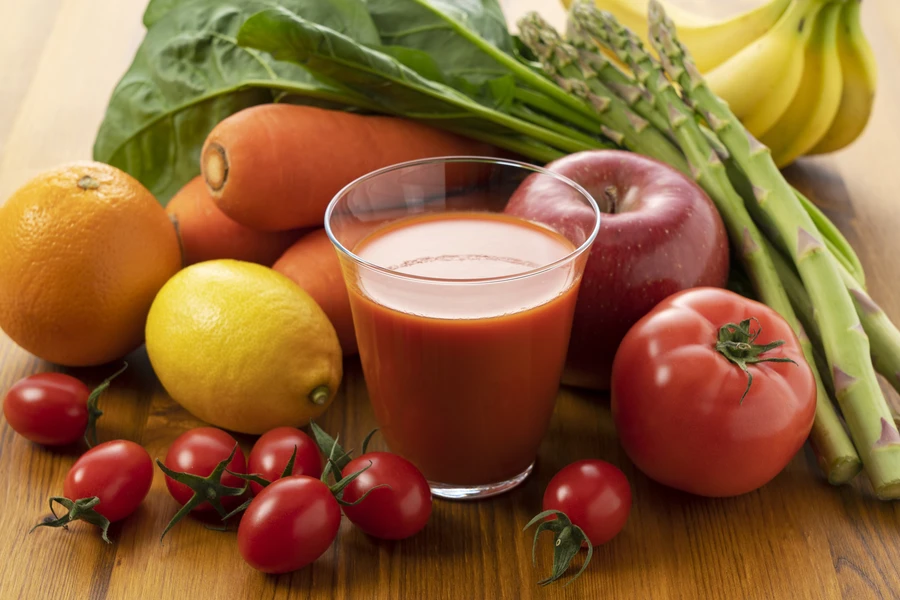
Vegetable juice is rich in vitamins A, C, and K and provides a host of antioxidants. Drinking these juices can help boost your immune system and improve skin health. Many people find it easier to drink their veggies than eat them, making this an appealing option for those who struggle with eating enough vegetables daily. Additionally, it can be customized to fit personal taste preferences by combining different vegetables.
Choosing the Right Vegetable Juice
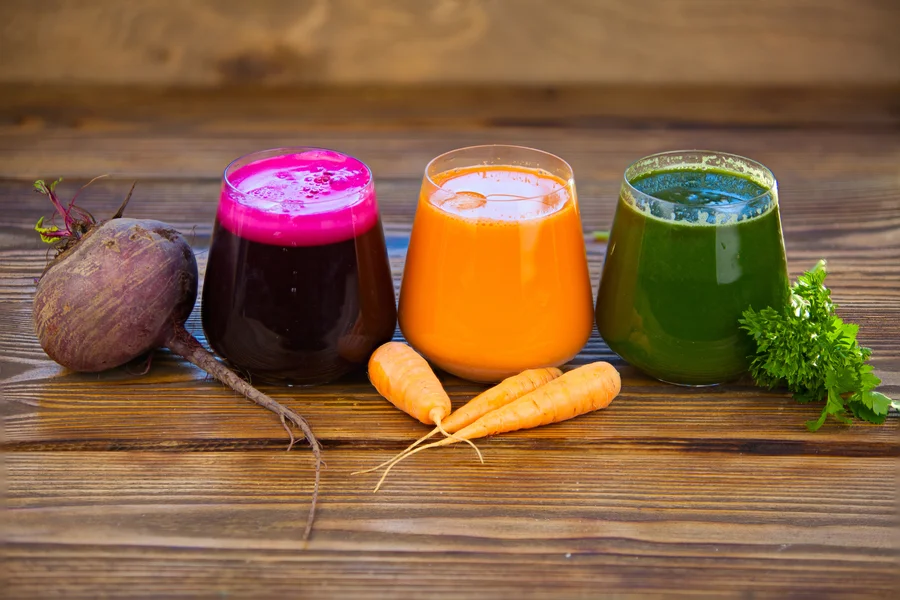
Selecting the right vegetable juice depends on your dietary needs and taste preferences. Some popular options include carrot juice for beta-carotene, spinach juice for iron, and beet juice for folate. It’s best to choose fresh or cold-pressed options when possible, as these retain more nutrients than processed versions. Look for labels that indicate 100% juice without added sugars or preservatives for the healthiest choice.
Common Challenges When Incorporating New Foods
One challenge many face when adding new foods like juices into their diet is consistency. It can be difficult to remember to include them regularly. Another issue is adjusting to new tastes and textures, which might not be immediately appealing. Lastly, ensuring the juices don’t replace other important food groups is essential to maintain dietary balance.
Strategies for Consistent Consumption
To integrate these juices consistently into your routine, consider setting specific times each day when you’ll enjoy them-perhaps as part of your morning routine or an afternoon pick-me-up. Start with small portions mixed with familiar flavors to ease into the new taste. Gradually increase the amount as you become accustomed to it. Tracking your intake using a journal or app can also help maintain regularity.
Best Practices for Making Homemade Juices
If you’re interested in making your own juices at home, follow these best practices:
- Use fresh, organic produce when available.
- Experiment with combinations until you find what suits your taste.
- Balance sweeter vegetables like carrots with leafy greens.
- Always wash produce thoroughly before juicing.
Comparing Store-Bought Vs. Homemade Options
Store-bought juices often contain additives to extend shelf life and enhance flavor. While convenient, they may lack some nutrients found in homemade versions. Homemade juices allow control over ingredients and freshness but require time and effort to prepare. Both options have their place depending on lifestyle and preference, but being informed about their differences helps make healthier choices.
Conclusion: the Path to A Healthier Lifestyle
By thoughtfully incorporating varied juices into one’s diet alongside whole foods, achieving balanced nutrition becomes more accessible. Located in Windsor, CT, I am here to guide you on this journey toward better health through personalized advice tailored to your needs. Contact Errol's Natural Juice Bar and Groceries today at (860) 246-4555 for expert insights and support.